

Your car’s engine is its heart. It’s a complex, finely-tuned machine that works hard every time you turn the key. Just like your own heart, it requires consistent care to function properly and efficiently. Ignoring your engine’s needs can lead to poor performance, lower fuel economy, and, worst of all, a costly breakdown that could have been easily prevented.
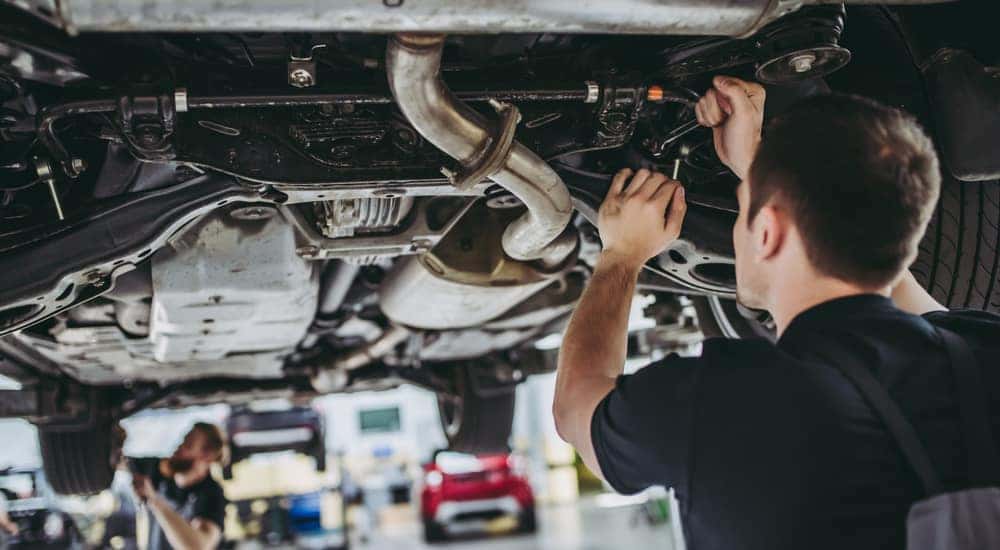
Thankfully, you don’t need to be a professional mechanic to keep your engine in top condition. By following a few simple, proactive maintenance steps, you can ensure your engine runs smoothly for years to come, saving you a lot of money and stress in the long run.
The Golden Rule: Don’t Skip Your Oil Changes
This is the most fundamental and critical part of engine maintenance. Engine oil is the lifeblood of your car. It serves several vital functions:
- Lubrication: It lubricates the thousands of moving parts in your engine, reducing friction that causes wear and tear.
- Cooling: It helps to dissipate heat from the engine.
- Cleaning: It picks up dirt and sludge, which is why it gets darker over time.
When you skip an oil change, the oil breaks down, losing its lubricating properties. This causes increased friction, which generates excessive heat and can lead to a catastrophic engine failure. Always follow your car’s owner’s manual for the recommended oil type and change intervals, typically every 5,000 to 7,500 miles.
Pay Attention to Your Car’s Fluids
Your car’s engine relies on more than just oil to function correctly. Regularly checking these other fluids is a simple task that can prevent serious problems.
- Coolant/Antifreeze: This fluid prevents your engine from overheating in the summer and freezing in the winter. A low coolant level can cause your engine to overheat, leading to a blown head gasket or other severe damage. Check your coolant reservoir regularly and top it off if it’s low.
- Transmission Fluid: This fluid lubricates your car’s transmission and helps keep it cool. Problems with your transmission are often expensive to fix, so a simple fluid check can prevent a major headache.
- Brake Fluid: While not directly for the engine, it’s critical for your safety. A low brake fluid level can indicate a leak or worn brake pads, both of which require immediate attention.
Replace Your Filters Regularly
Your engine needs clean air to perform efficiently. A few simple filters are responsible for keeping out dirt and debris.
- Engine Air Filter: This filter is designed to prevent dust, dirt, and other contaminants from entering the engine. A dirty, clogged air filter restricts airflow, forcing your engine to work harder and reducing fuel economy. Replacing it is a simple and inexpensive task.
- Cabin Air Filter: While this doesn’t affect the engine’s performance, it’s important for your health and comfort. It filters the air that comes into the cabin from the outside, trapping dust, pollen, and other pollutants.
Listen to Your Engine: The Signs of Trouble
Your car will often give you subtle warnings before a major problem occurs. Being in tune with your vehicle can help you spot issues early.
- Strange Noises: Pay attention to any unusual sounds like knocking, grinding, or hissing. These are often signs of a part failing or a fluid issue.
- Warning Lights: Never ignore your dashboard’s warning lights. The “Check Engine” light, in particular, should be addressed by a professional immediately.
- Performance Issues: If you notice a loss of power, a rough idle, or a significant drop in your fuel economy, it could be a sign that something is wrong with your engine.
The Power of a Professional Check-up
While self-maintenance is great, a professional’s eye is still invaluable. Get your car inspected by a qualified mechanic at least once a year. They can check things you can’t, like the condition of belts, hoses, and spark plugs. This proactive check-up can uncover minor issues before they turn into major repairs.
By taking these simple, proactive steps, you can keep your engine running smoothly, extend the life of your vehicle, and avoid costly breakdowns. A little bit of attention to your car’s needs today can save you a world of trouble tomorrow.