
Recommendation Used Car Engine Models for Reliability and Longevity

When purchasing a used car, the focus often falls on mileage, exterior condition, and interior features. However, the single most critical component determining the vehicle’s long-term value, reliability, and cost of ownership is the engine. A robust, well-engineered engine can provide hundreds of thousands of miles of trouble-free service, while a flawed design can lead to chronic, costly repair issues.
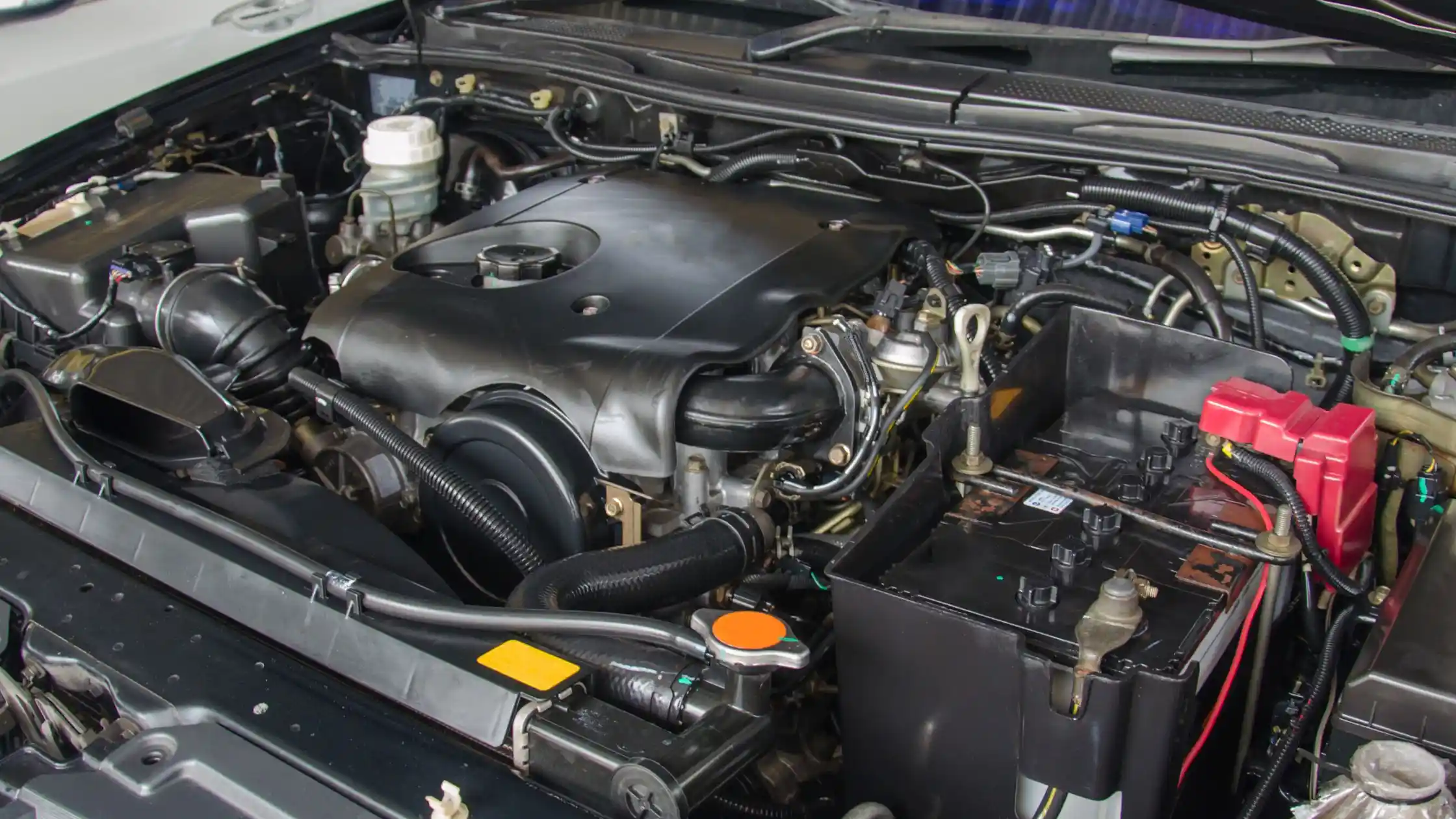
This article provides essential recommendation used car engine models and families renowned for their durability, simplicity, and proven track records. By knowing which powerplants to seek out—and which common pitfalls to avoid—you can significantly increase your chances of securing a used car that truly goes the distance.

Pillar 1: The Japanese Powerhouses – Simple Durability

Japanese manufacturers have long dominated reliability rankings, largely due to their focus on refined, over-engineered engine designs that prioritize longevity over bleeding-edge complexity.

  • Toyota 2.2L/2.4L I4 (5S-FE, 2AZ-FE, 2AR-FE Families):
    • Recommendation: Found widely in the
Read more

Understanding the Rise of Cars with Fake Engine Sounds

In the automotive world, the visceral roar of a powerful engine has long been inseparable from the driving experience. It’s a sound that communicates power, speed, and engineering prowess. Yet, a growing trend in modern vehicles—especially performance cars, luxury models, and hybrids—is the use of Active Sound Design (ASD) or Electronic Sound Enhancement (ESE). These systems synthesize, enhance, or pipe fake engine sounds into the cabin, often confusing and sometimes irritating enthusiasts. This article explores the compelling reasons behind the rise of cars with fake engine sounds, the technology used. And the broader implications for the driving experience and the future of performance motoring.


The Silent Revolution: Why Fake Sounds Are Necessary

The move toward sound enhancement is not a cynical attempt to deceive drivers; rather, it’s a necessary response to fundamental changes in automotive engineering driven by regulation and technological advancement.

1. Noise Regulations and Environmental Standards

Globally, … Read more