

For many owners, a “junk car” is a rusty eyesore—a piece of unwanted metal taking up valuable space in a driveway or garage. It’s a vehicle that has reached the end of its useful life, defined by catastrophic mechanical failure, severe collision damage, or simply a repair bill that exceeds its market value. However, viewing it merely as garbage is a financial mistake. Every vehicle, regardless of its condition, retains an inherent monetary value derived from its constituent parts, materials, and potential for reuse.
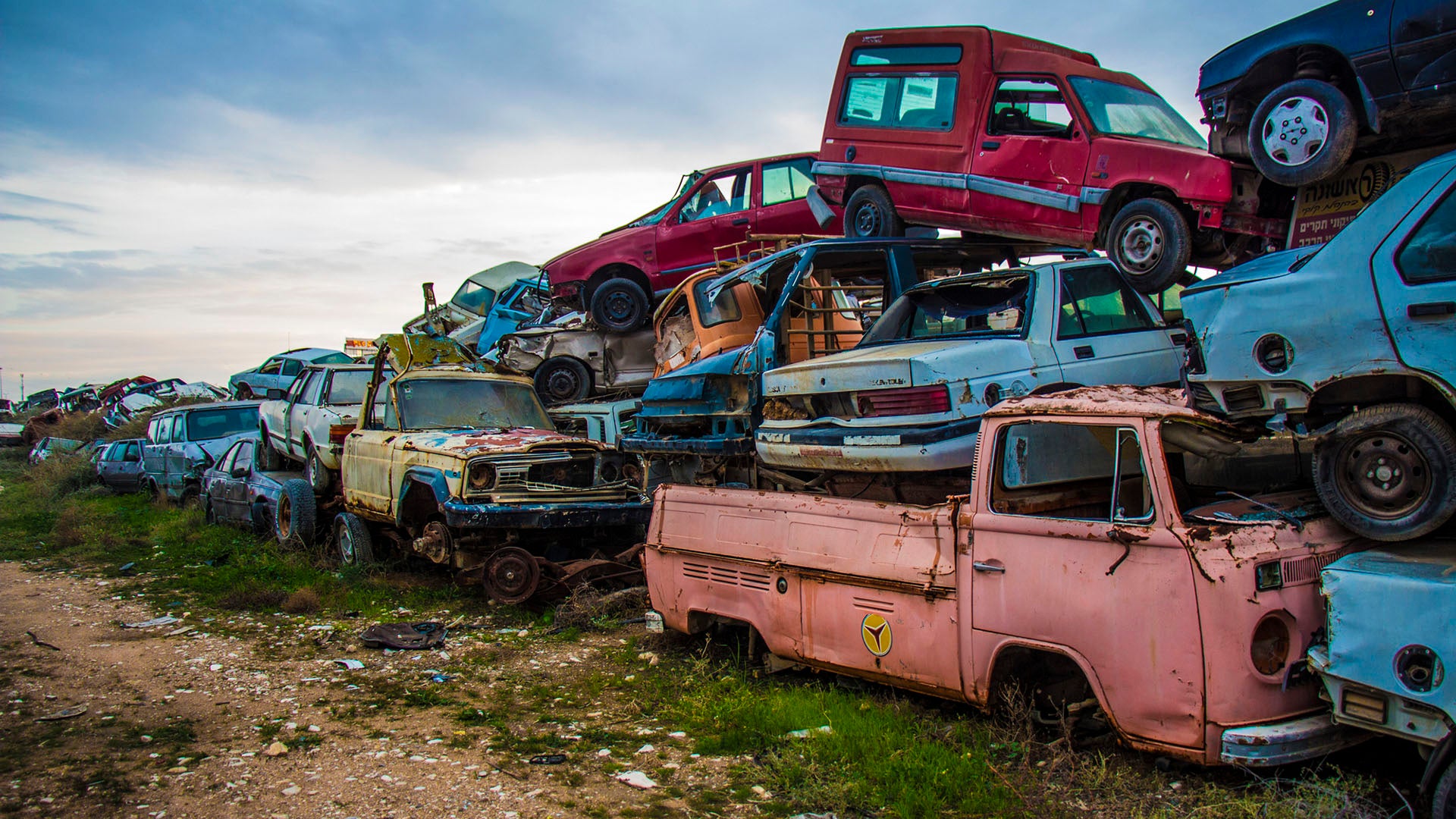
Understanding the true value of my junk car requires looking past the dents and peeling paint to assess its worth based on its salvageable components, scrap metal weight, and market demand for specific used parts. This article provides a comprehensive breakdown of the factors that determine what your old vehicle is truly worth and how to maximize your return.
Pillar 1: Assessing the Value of Salvageable Parts
The primary source of value in a non-running or damaged car lies in the components that still function or can be successfully refurbished. This value is often significantly higher than the vehicle’s scrap metal weight alone.
- Engine and Transmission Health: Even if the body is totaled, a low-mileage engine or a recently replaced transmission can be highly valuable to auto recyclers and mechanics. These major assemblies are often pulled and resold as used parts to repair other vehicles of the same make and model. The value here is based on demand: common engines (like certain Honda or Toyota four-cylinders) are highly desired, commanding better prices.
- Functional Exterior and Interior Components: Look at the expensive accessories and assemblies that are still intact:
- Lights: Undamaged headlights, taillights, and fog lights, especially those with LED or specialized technology, are costly to replace and hold good resale value.
- Body Panels: Undamaged doors, hoods, fenders, and trunks (especially those in common colors) can be salvaged and resold.
- Electronics: Functioning infotainment systems, window motors, dashboard clusters, and seat controls are valuable to recyclers.
- Catalytic Converter: This component contains valuable precious metals—platinum, palladium, and rhodium. Due to the high value of these metals, the converter alone can represent a significant percentage of the junk car’s total worth. Its price is directly tied to current commodity market rates and is a key factor in any serious offer.
Pillar 2: Determining Scrap Metal and Commodity Value
When the parts are deemed unsalvageable or too time-consuming to remove, the car’s value defaults to its weight in scrap metal.
- Weight and Commodity Prices: Scrap yards pay by the ton. The total weight of your vehicle (minus fluids, tires, and glass, which are processed separately) determines the scrap value. This value fluctuates daily based on the global market price for steel and aluminum.
- Metal Composition: Modern vehicles use a mix of steel, aluminum (especially in engines and certain body panels), and other metals. Aluminum generally fetches a higher price per pound than steel, so vehicles with aluminum engine blocks or body parts (like certain trucks or performance cars) may command a slightly higher scrap value.
Pillar 3: Maximizing Your Return – Finding the Right Buyer
The true monetary value of your junk car depends heavily on who you sell it to. Different buyers prioritize different aspects of the car.
- The Local Salvage Yard (Scrap Value): These businesses primarily focus on the metal weight and will offer the quickest, most straightforward transaction. They are ideal if the car is extremely old, severely damaged, or lacks any desirable reusable components. The price offered will be heavily influenced by the vehicle’s weight.
- The Auto Recycler/Wrecker (Parts Value): These businesses are looking to dismantle the car for its functional components. They will offer a better price than a pure scrap yard if your car has a high-demand engine, transmission, or electronic assemblies. Use this option if your vehicle is newer or has expensive, recently replaced parts.
- The Private Buyer/Hobbyist: For specific models (classic cars, rare foreign models), a private buyer might offer the best price. They are often looking for a chassis for restoration or specific parts that are hard to find. This requires more time and effort on your part but can yield the highest return.
Conclusion: Recognizing the Potential
A junk car is not worthless; it is simply a vehicle whose value has transitioned from transportation to raw materials and components. The true value of your junk car is the highest price offered by the buyer who best utilizes its remaining assets—be it the weight of its steel, the utility of its engine, or the precious metals in its catalytic converter. By conducting a quick assessment of its salvageable parts and getting quotes from both scrap yards and parts recyclers, you can ensure you get the maximum possible return for your old vehicle.