

The arrival of the Tata Nano on the world stage in 2008 was more than just a car launch; it was a socio-economic event that captured global imagination. Marketed as the world’s cheapest car with an initial price tag of roughly one lakh rupees (about US$2,000 at the time), the Nano’s ambitious purpose was to bring safe, four-wheeled mobility to millions of Indian families who could only afford two-wheelers. This grand, democratizing vision immediately drew comparisons to one of history’s most iconic vehicles: the original Volkswagen Beetle. The comparison, while flawed in execution, speaks volumes about the Nano’s historical intent. It was, in spirit, the new “People’s Car.”
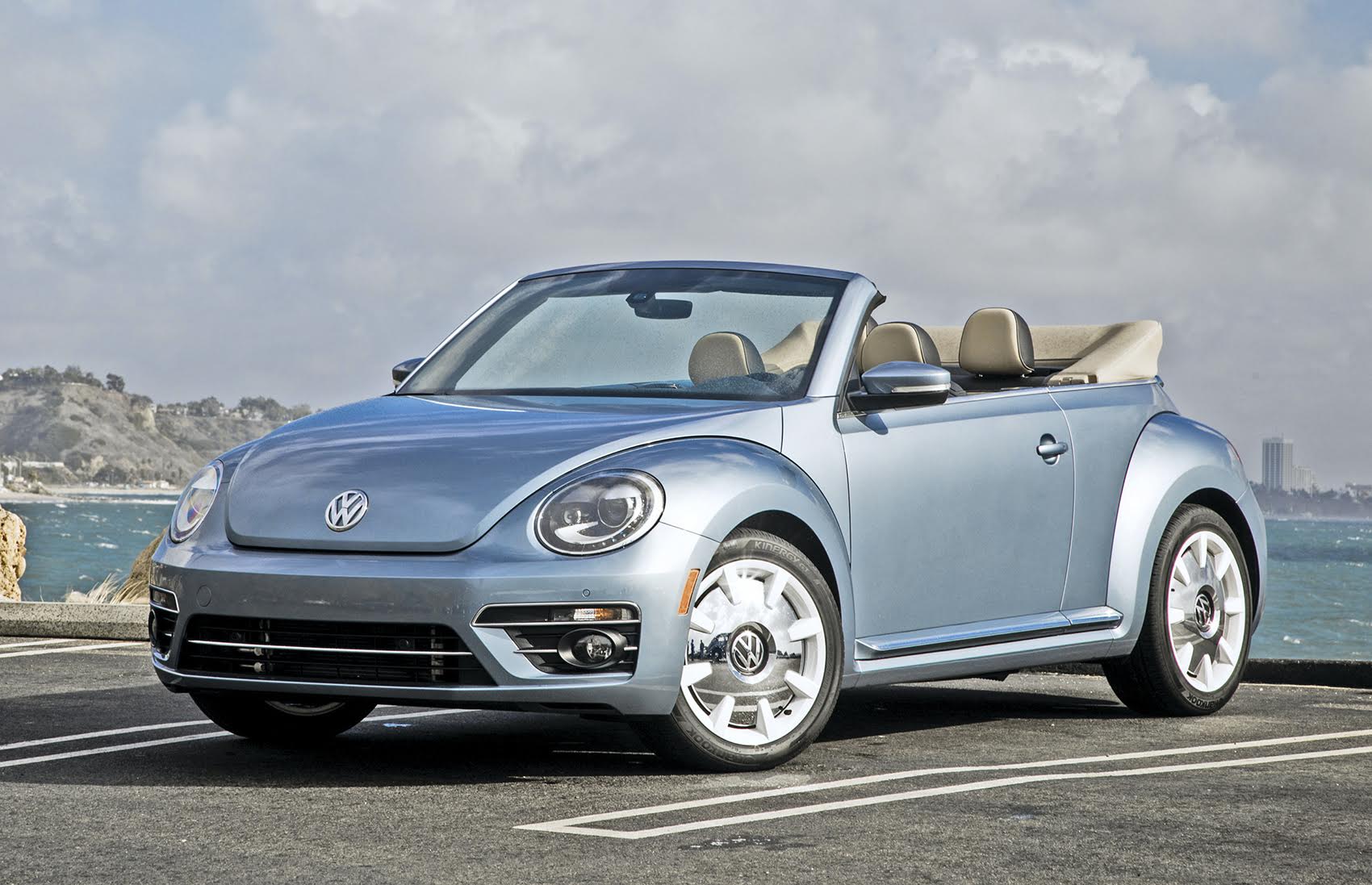
Shared Philosophy: A Car for the Masses
The parallel drawn between the Tata Nano and the Volkswagen Beetle is rooted primarily in their shared. Revolutionary philosophy and not their engineering or styling. Both were conceived to fulfill a national, almost humanitarian, mandate for mass personal transportation.
The Original Volkswagen ‘People’s Car’
The Volkswagen Type 1, or Beetle, was created in 1930s Germany under the direct aim of providing an inexpensive, simple. And reliable vehicle for the working population to utilize the country’s burgeoning road network. Ferdinand Porsche’s design was a masterpiece of frugal and robust engineering: a rear-mounted, air-cooled engine, a two-door body, and a simple platform designed for mass production. The Beetle was a successful solution that evolved into a global icon. Selling over 21 million units and becoming synonymous with accessible, enduring personal freedom.
Ratan Tata’s Vision
Ratan Tata, the former chairman of Tata Motors, conceived the Nano after witnessing Indian families dangerously navigating busy roads piled onto a single scooter. His vision was to provide a safer, all-weather alternative to the two-wheeler—a “lakh-rupee car” that was both a feat of engineering and a tool for social upliftment. Like the Beetle, the Nano was to be:
- Affordable: Drastically undercutting every competitor.
- Simple: Designed with minimal components for cost-efficiency.
- Practical: Large enough to seat four and provide safer enclosure than a scooter.
This shared ambition to democratize mobility for an entire nation is the core reason. The Nano was dubbed the spiritual successor to the Beetle. Both vehicles fundamentally aimed to shift the base level of personal transport.
Frugal Engineering vs. Industrial Design
While the philosophical intent was aligned, the engineering and execution paths of the two vehicles diverged sharply, which ultimately impacted the Nano’s market success.
Nano’s Frugal Engineering
The Nano was a marvel of frugal engineering. To meet the impossibly low price point, Tata Motors had to drastically rethink every component. This led to innovative, yet minimalist, solutions: a tiny 624cc rear-mounted, two-cylinder engine. Drum brakes on all four wheels, a singular front wiper blade, and very basic interiors. This approach was highly cost-effective but created a perception of compromise and poor quality in the eyes of the consumer. Which was a major factor in its commercial failure.
Beetle’s Enduring Design
The Beetle, conversely, was designed for durability and simplicity. Its rear-engine layout was unique and, coupled with its distinctive rounded, bug-like silhouette, gave it a unique and endearing character. Its basic design was robust and its simplicity made it easy to maintain, fostering a community of dedicated owners and mechanics. The Beetle became an enduring cultural icon, appreciated as much for its style as for its function.
The Nano, despite its innovative engineering, struggled with cultural messaging. It was often marketed as the “cheapest car,” which, for aspirational middle-class Indian families, translated into a badge of necessity rather than a symbol of pride or aspiration. The Beetle, once mass-produced, quickly transcended its utilitarian origins to become a counter-cultural symbol of freedom and individuality.
The Unfulfilled Promise and Legacy
The Tata Nano’s journey was unfortunately short-lived. Despite a strong initial response, issues with sporadic early car fires, the disastrous choice of a manufacturing site that led to production delays, and the crucial branding as the “cheapest car” severely hampered its momentum. Production eventually ceased in 2018.
However, the legacy of the Nano extends beyond its sales numbers. It proved that a modern, four-wheeled vehicle could be produced at an almost unimaginable price point. It forced the global automotive industry to think seriously about ultra-low-cost, high-volume manufacturing and frugal innovation.
The comparison to the Beetle remains valid as a benchmark of intention. The Volkswagen Beetle successfully ushered in the age of widespread private car ownership in the West. The Tata Nano attempted the same feat in a developing economy, facing far greater logistical, economic, and perceptual hurdles.
Conclusion: The Spirit of Accessibility
The title “The New Volkswagen Beetle” was a high compliment paid to the Tata Nano, recognizing its enormous potential to revolutionize personal mobility for the global masses. Both cars stand as monuments to a powerful idea: that the freedom and safety of a four-wheeled vehicle should be universally accessible.
While the Nano’s commercial run did not achieve the multi-decade, iconic status of the Beetle, its existence remains a pivotal moment in automotive history. It showcased the immense capability of Indian engineering and set a new, challenging standard for affordability that continues to influence the design of budget-friendly city cars and the current generation of compact Electric Vehicles (EVs) being developed globally. The Nano’s spirit—the desire to lift a billion people onto four wheels—is a legacy worthy of the “People’s Car” moniker.