

The modern automobile marketplace is a vast and intricate ecosystem, populated by an astonishing variety of vehicle designs, each tailored to specific needs, lifestyles, and budgets. The term “car” itself is a broad generalization, encompassing everything from compact, fuel-sipping hatchbacks to massive, electrified pickup trucks. Understanding the key models of cars—their body styles, underlying engineering. And intended use—is the first critical step toward making an informed purchase and appreciating the diversity of automotive design.
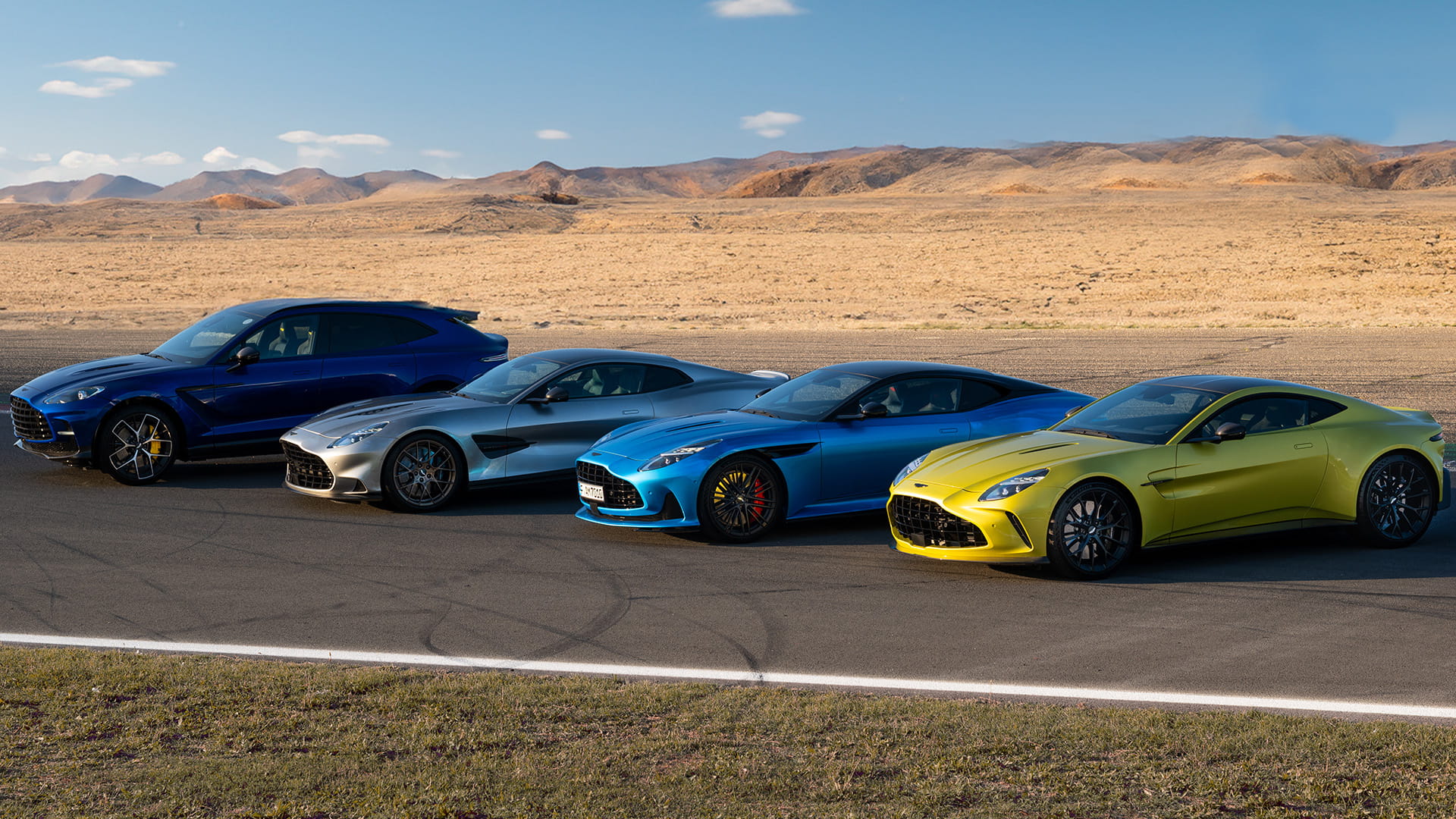
This article explores the primary models and classifications that define the global automotive landscape. Providing clarity on their purpose, advantages, and evolution in the face of new technologies.
The Foundation: Traditional Passenger Car Models
For decades, the market was dominated by traditional, lower-riding passenger vehicles, models which still hold strong appeal for their driving dynamics and fuel efficiency.
- The Sedan: Defined by its three-box design—a distinct compartment for the engine. The passengers, and the cargo—the sedan prioritizes comfort, quietness, and a balanced ride. They typically offer excellent aerodynamics, making them efficient on the highway.
- Purpose: Commuting, family transport, executive travel.
- The Coupe: Historically, a two-door version of a sedan, often featuring a sportier, more sloping roofline. While the term is sometimes applied loosely today (even to some four-door models with dramatic roof slopes). The coupe emphasizes style, driving engagement, and personal performance over practicality.
- Purpose: Performance driving, style-conscious buyers, smaller families.
- The Hatchback: Distinguished by a rear cargo area that opens upwards, integrating the cargo space with the passenger cabin. This two-box design offers superior cargo flexibility compared to a sedan. Often allowing for large, bulky items to be carried when the rear seats are folded down.
- Purpose: Urban driving, cargo flexibility, excellent practicality in a small footprint.
- The Convertible: Defined by a retractable roof—either soft-top canvas or a folding hardtop—the convertible is purely focused on the open-air driving experience, sacrificing some structural rigidity and cargo space for fun.
- Purpose: Leisure, weekend driving, experiential travel.
The Modern Dominators: SUVs and Crossovers
In the last two decades, the market has dramatically shifted toward taller, more versatile models that combine car-like comfort with truck-like capability and visibility.
- The Crossover (CUV): The most popular model type globally. Crossovers are built on a unibody (car) platform, offering car-like handling and fuel economy but in an elevated body style. They provide higher driving positions and excellent interior flexibility.
- Examples: Compact (Honda CR-V, Toyota RAV4), Mid-Size (Kia Telluride, Ford Explorer).
- Purpose: Family transport, all-weather driving, daily commuting with high comfort.
- The Sport Utility Vehicle (SUV): Traditionally built on a body-on-frame (truck) chassis, true SUVs prioritize ruggedness, off-road ability, and high towing capacity. While modern SUVs often feature sophisticated independent suspensions, their architecture is designed for heavy-duty use.
- Examples: Jeep Wrangler, Toyota 4Runner, large truck-based luxury SUVs.
- Purpose: Serious towing, dedicated off-roading, heavy-duty cargo hauling.
- The Minivan: While often maligned for style, the minivan remains the undisputed king of passenger and cargo volume. Defined by a low floor, sliding doors, and highly flexible, removable seating, it prioritizes pure utility and ease of entry/exit.
- Purpose: Maximum passenger capacity, comfort for long family trips, ultimate cargo flexibility.
Emerging Models: Specialized and Future-Focused Vehicles
As technology and consumer demands evolve, new models and sub-segments continue to emerge, driving innovation across the industry.
- The Pickup Truck: No longer strictly utilitarian, modern pickups are often equipped with luxury interiors and advanced technology. They are defined by a separate bed and body-on-frame construction, prioritizing towing, payload, and off-road capability.
- Evolution: The emergence of electric pickups (EVs) has introduced models with unprecedented power, acceleration, and innovative features like frunks (front trunks) and power take-off points.
- The Electric Vehicle (EV): EVs are defined by their powertrain, not their body style, yet the unique packaging requirements of large battery packs have led to new design models. The “skateboard” chassis allows for maximized interior space (cab-forward design) and low centers of gravity, often leading to models with futuristic, aerodynamically efficient profiles.
- The Wagon/Shooting Brake: A classic model experiencing a niche revival, offering the handling dynamics of a sedan with the cargo volume of a small SUV, often appealing to enthusiasts who prioritize driving feel over a high ride height.
Conclusion: Diversity is the Driver
The diversity of models of cars reflects the complexity of human needs and desires. From the utilitarian efficiency of the sedan to the rugged capability of the SUV and the innovative packaging of the modern EV, each model classification represents a distinct engineering solution to a specific set of challenges. Understanding these models—their core architecture, advantages, and limitations—is essential for making a choice that truly enhances your safety, lifestyle, and financial well-being on the road ahead.